5 Signs You Might Have a Hidden Mold Problem in Your Home
Most people don't know they have a mold problem in their home until it's already visible on walls or ceilings. But by the time you can see it, the problem is usually bigger than what you think. Here are five warning signs that you might have mold growing somewhere in your home.
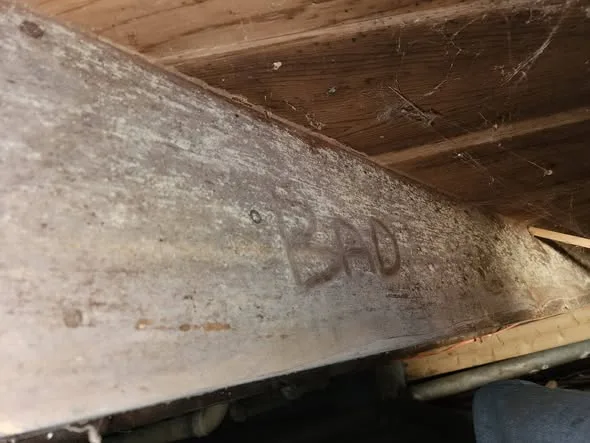
1. Unexplained Musty Smell
If a room smells musty (especially basements, bathrooms, or closets) there's a good chance you have mold growing somewhere in your home. Mold growth produces a characteristic earthy, damp smell.
What to do: Don't just cover it up with air fresheners. Find the source. Check under sinks, behind toilets, and in any area that's prone to moisture. And yes, that includes your basement or crawl space.
2. Persistent Allergy Symptoms
Sneezing, runny nose, itchy eyes, or a scratchy throat that won't go away? Chronic headaches or cough? If you or your family members feel worse when you're home and better when you're away, mold could be the culprit.
Mold spores are allergens. When they're floating around in your indoor air, they cause constant irritation - especially for people with asthma or existing allergies.
3. Water Damage in the Past
Did you have a leak, flood, or plumbing issue in the last year? Even if it was "fixed," mold can start growing as fast as 24-48 hours after water exposure.
If drywall, insulation, or subflooring got wet and wasn't properly dried, assessed for damage or replaced, there's a very high chance mold is growing somewhere you can't see it.
4. Condensation on Windows or Walls
If you're seeing condensation regularly—especially in winter—your home has high indoor humidity. That's the perfect environment for mold to grow.
Condensation is a sign that moisture is building up with nowhere to go. And wherever moisture sits, mold follows.
What to do: Run a dehumidifier, improve ventilation, and check your HVAC system. If the humidity is above 60%, you're in the danger zone.
5. Visible Discoloration or Warping
Sometimes mold hides in plain sight. You might not see fuzzy black spots, but you'll notice:
- Walls or ceilings that look stained, yellowed, or discolored
- Peeling or bubbling paint
- Warped or buckling drywall
- Baseboards pulling away from the wall
These are all signs that water damage has occurred. And where there's water damage, there's usually mold.
What to Do: Don't panic, but don't ignore it either. Mold doesn't go away on its own. It just gets worse.
If you're seeing or smelling any of these warning signs:
- Identify the moisture source. Mold is a symptom. Moisture is the problem.
- Don't just treat the surface. Spraying visible mold won't fix what's behind the wall.
- Get a professional inspection. We'll check humidity levels, test airflow, and look in places you can't easily access.
Most mold problems are fixable, especially if you catch them early. The homeowners who wait are the ones who end up with health issues, structural damage, and expensive mold remediation and repair bills.
Wonder if you have mold in your home? Call us at (417) 415-6486. We'll come out, assess the situation, and tell you the truth about exactly what needs to be done (and what doesn't) and WHY.
Scott Tetley
Owner & Lead Inspector
Scott Tetley is the owner and lead inspector at The Mold Gurus. With years of experience in mold remediation and moisture control, Scott has helped hundreds of families in Southwest Missouri solve their mold problems and reclaim healthy homes.
Have questions about what you just read? We're happy to answer.
Get Answers: 855-705-6653