The Home Repair Gurus
Mold and moisture don't just
make you sick. They damage your home.
Rotted floor joists. Sagging subfloors. Crumbling foundation walls. Damaged insulation. Moisture destroys the structure of your home from the inside out. We fix the problem and repair the damage.
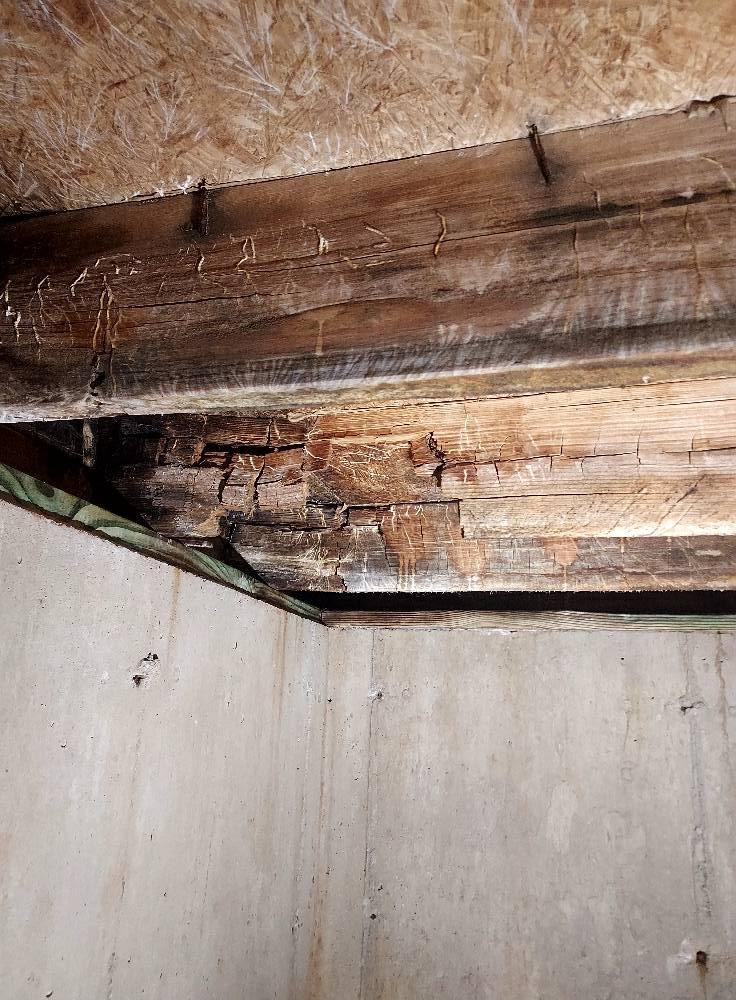
Structural rot in a floor support beam. Moisture quietly destroys the wood that holds your house up.
Repairs for Mold- and Moisture-Damaged Structures
Structural Damage
Floor joists, beams, and support posts that have been weakened or rotted by moisture exposure. When wood stays wet, it loses structural integrity. We replace what's damaged and reinforce what can be saved.
Subfloor Repair
Soft spots in your floor? Bouncy or sagging areas? That's usually moisture damage to the subfloor. We replace damaged sections and address the moisture source so it doesn't happen again.
Insulation Removal
Fiberglass insulation in crawl spaces doesn't work when it's wet. It sags, falls, and becomes a home for mold. Wet insulation doesn't insulate. It's just dead weight hanging from your floor joists. We remove it.
Foundation Damage
Moisture combined with freezing temperatures can crack concrete and brick foundations. Water expands when it freezes, and if it's inside your foundation walls, something has to give. We repair cracks and address the water intrusion that caused them.
Sealed Penetrations
Every pipe, wire, and duct that passes through your floor or walls is an opening for crawl space air to enter your living space. International building code requires these to be sealed, but enforcement varies. We seal every penetration properly.
Watch: what termites are doing to your wood
Termites and moisture damage go together. Where wood stays wet, termites move in. Here's Scott in a crawl space, showing you what that actually looks like on the beams holding up the floor above your head.
Your home is your biggest investment
Moisture damage doesn't fix itself. It gets worse. A soft spot in your floor today is a structural failure next year. The longer you wait, the more expensive the repair.
We don't just patch things up. We fix the moisture problem, then fix the damage, and make sure the repair lasts. One company, one project, done right.
Actual Repair Projects
Fixing the damage and the cause.
Tree Root Foundation Damage
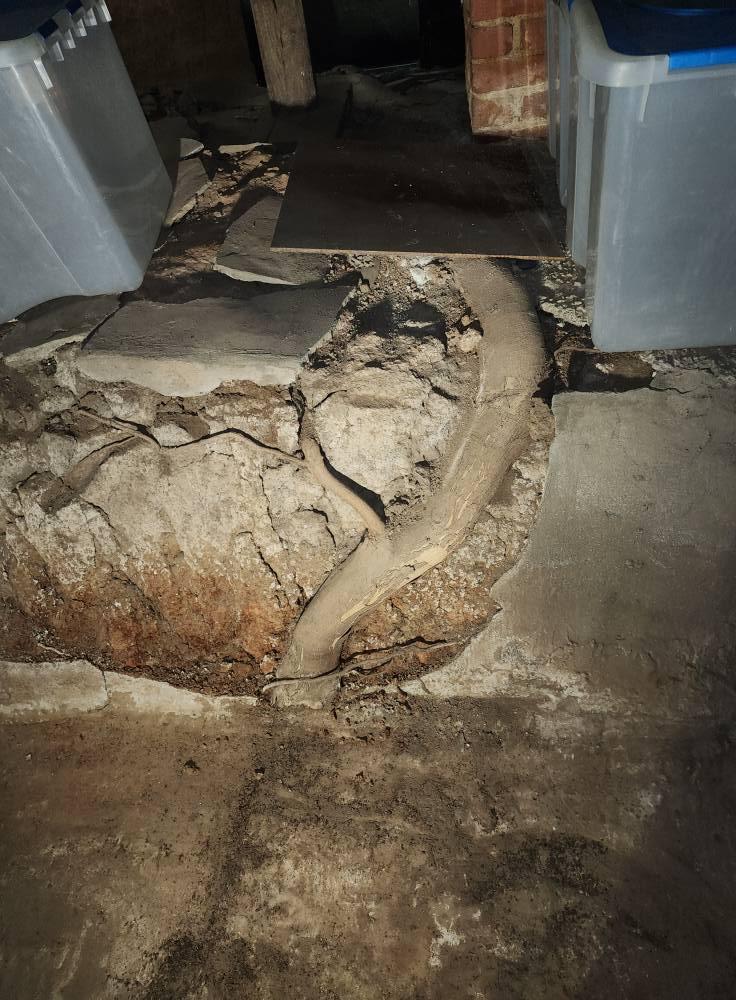
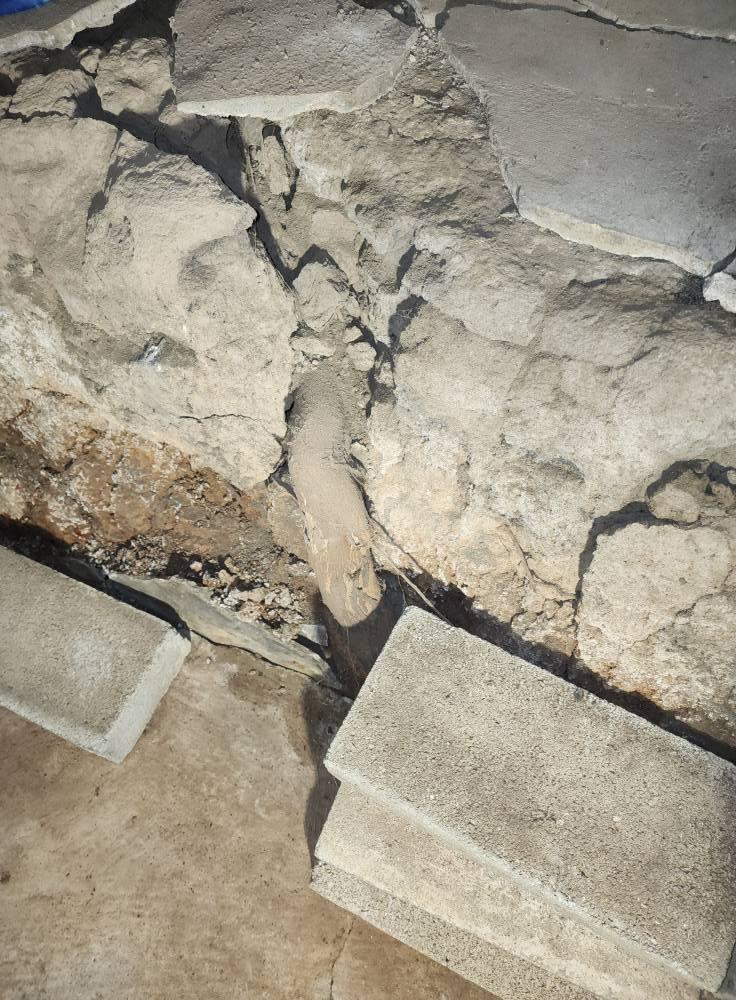
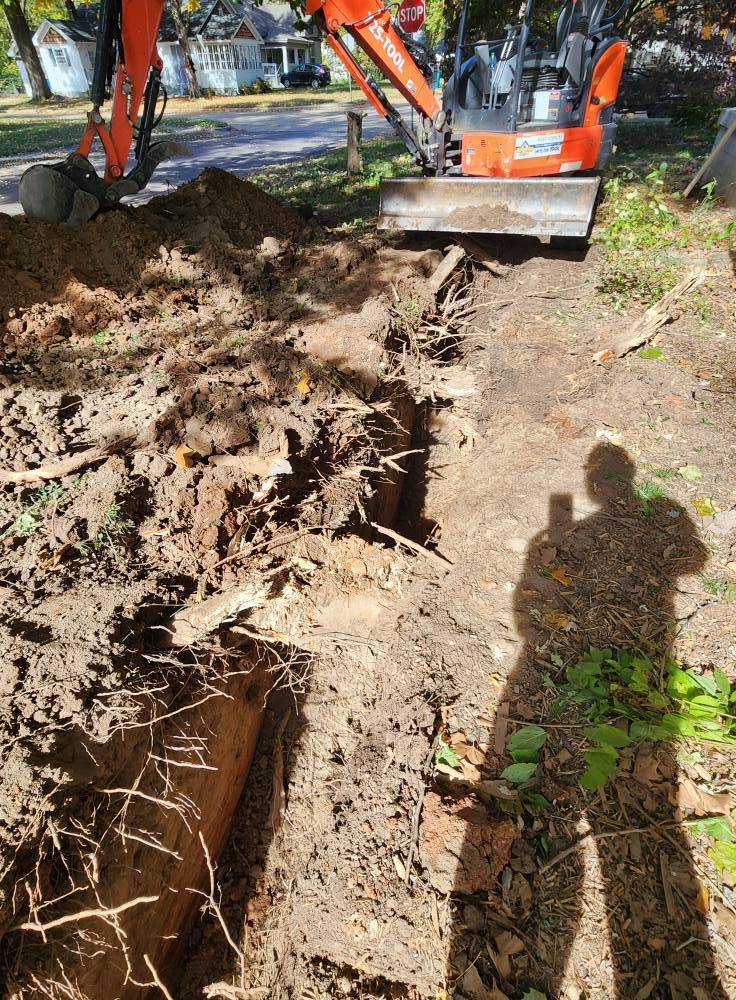
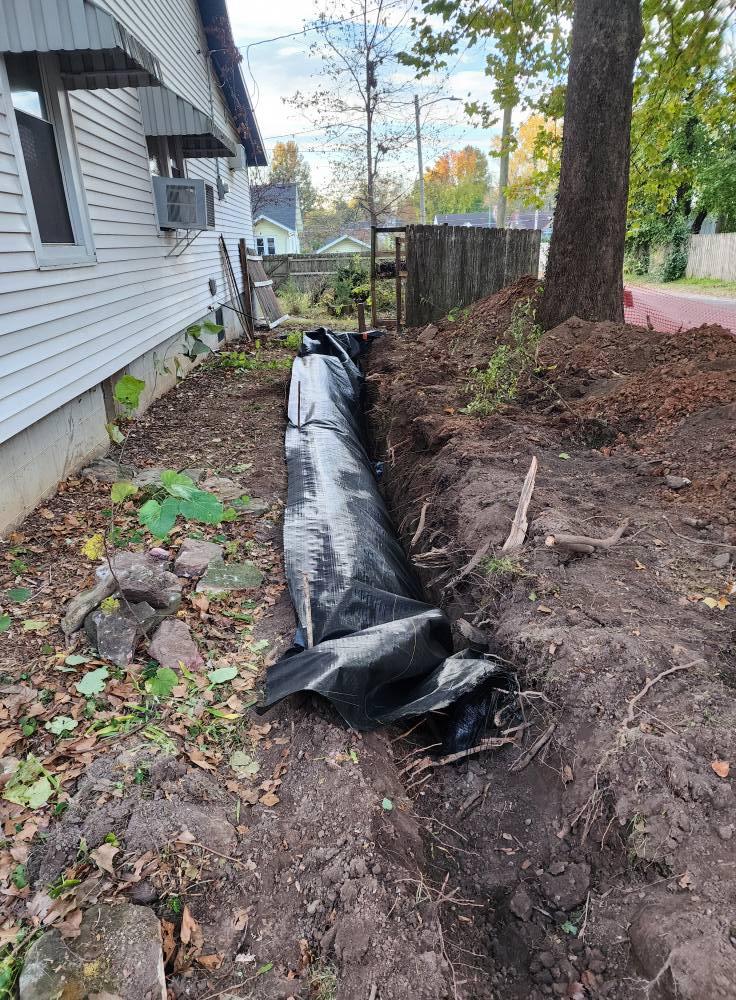
A giant sycamore's roots had cracked through the basement foundation, and the mortgage company needed it fixed. We found the root of the problem (literally), excavated 6 feet back from the foundation at 6 feet deep, cut out the invasive roots, and installed a geofabric barrier to prevent regrowth. The tree was saved, the foundation was protected, and the mortgage company was satisfied. Win, win, win.
 Before
Sycamore root cracking through the foundation
 Before
Close-up of the root damage
 In Progress
Excavating 6 feet deep to cut roots
 In Progress
Geofabric barrier installed to block regrowth
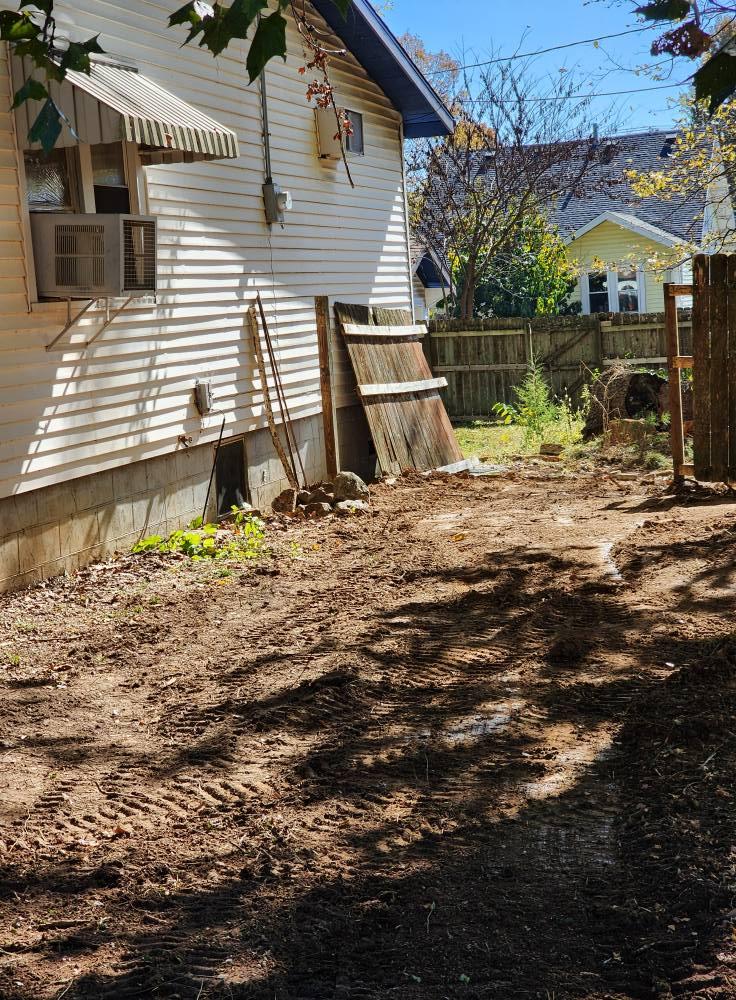 After
AfterJob complete. Tree saved, foundation protected.
Moisture Damage Behind a Wall
Opened up a wall to find rotted studs, destroyed insulation, and extensive mold growth caused by years of undetected moisture. We removed the damaged materials, remediated the mold, fixed the moisture source, and rebuilt.
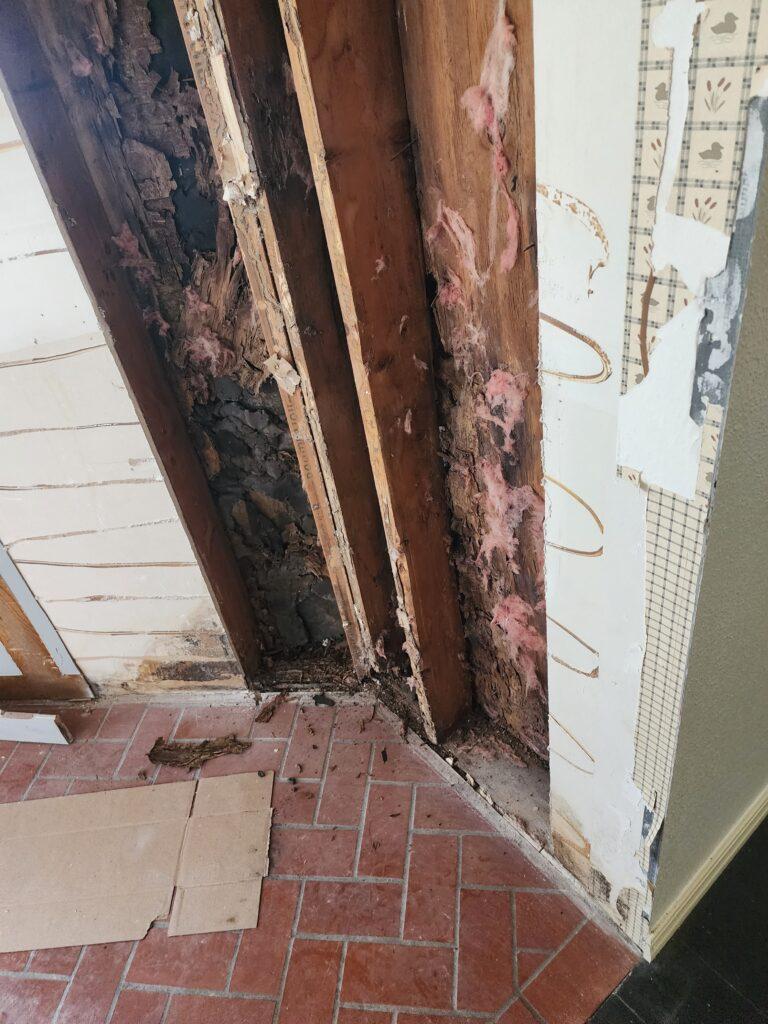 Before
Years of hidden moisture damage
Frequently Asked Questions
How do I know if my floor joists are damaged?
The most common sign is soft or bouncy floors, areas that flex when you walk on them. You might also notice uneven floors, doors that don't close properly, or visible sagging from inside the crawl space. Moisture damage weakens wood over time, and floor joists are often the first structural element to be affected because they're closest to crawl space moisture.
Can wet fiberglass insulation be saved?
No. Once fiberglass insulation gets wet, it loses its insulating ability and becomes dead weight. Wet insulation also becomes a breeding ground for mold. It needs to be removed. We see this in almost every crawl space that hasn't been encapsulated: the insulation is sagging, wet, and growing mold.
Can moisture really crack my foundation?
Yes. Water that gets into concrete or brick expands when it freezes, and something has to give. Over time, repeated freeze-thaw cycles cause cracks that get worse each season. The solution is stopping the water from reaching the foundation in the first place through proper drainage and grading, then repairing the existing cracks.
Do you fix the damage and the cause, or just the damage?
Both. Fixing structural damage without fixing the moisture source is pointless. The damage will come back. Every repair job includes identifying and addressing the moisture problem that caused the damage in the first place. That's what makes our approach different: one company fixes the cause and the effect in one coordinated project.
Can tree roots damage my foundation?
Absolutely. Tree roots follow moisture, and your foundation is often the most consistent source of moisture in the ground. Large trees like sycamores and oaks can send roots right through concrete and crack your foundation from underneath. We've done jobs where roots pushed up through a basement floor. The fix is excavating to cut the invasive roots back and installing a geofabric barrier to prevent regrowth, without killing the tree.
Just a soft spot in the floor?
One area that's bouncy when you walk on it. A small section of subfloor that got water damaged. A couple of floor joists that need sistering. Small repairs like these prevent big structural failures later, and they're a lot less expensive when caught early.
Extensive structural damage?
Multiple rotted joists. Sagging subfloor across an entire room. Foundation cracks from years of water intrusion. Insulation that's fallen and needs full replacement. We handle large-scale moisture damage repair: structural, cosmetic, and everything in between, as one coordinated project.
Either way, the assessment is free. Call 855-705-6653 and we'll tell you exactly what you're looking at.